The Complete Beginner's Guide to Home Gardening.
Grow Your Own Food & Flowers - The Easy Way for Beginners.
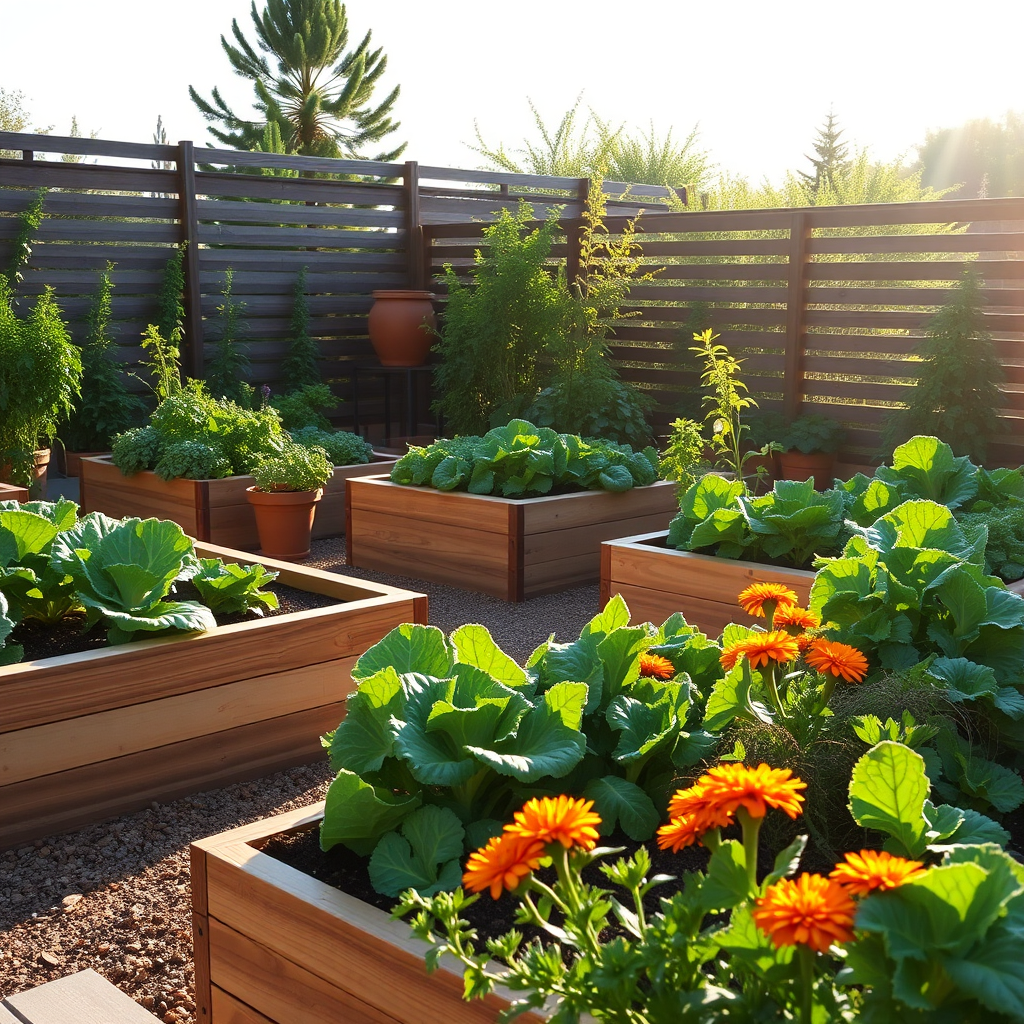
The Edible Garden
Nothing compares to the taste of a sun-warmed tomato or fresh herbs picked just steps from your kitchen.
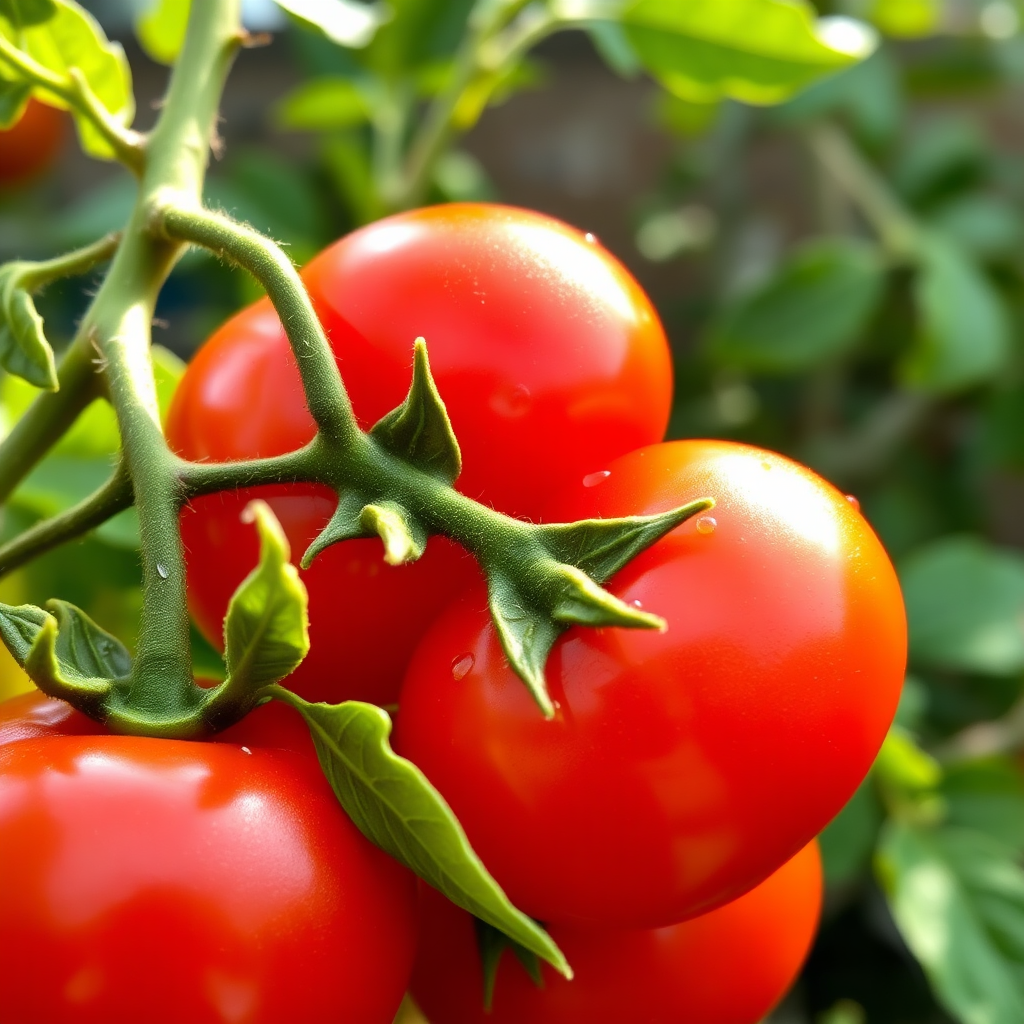
Heirloom Tomatoes
Rich soil and plenty of sunshine are the secrets to heavy-yielding tomato plants throughout the summer months.
Learn More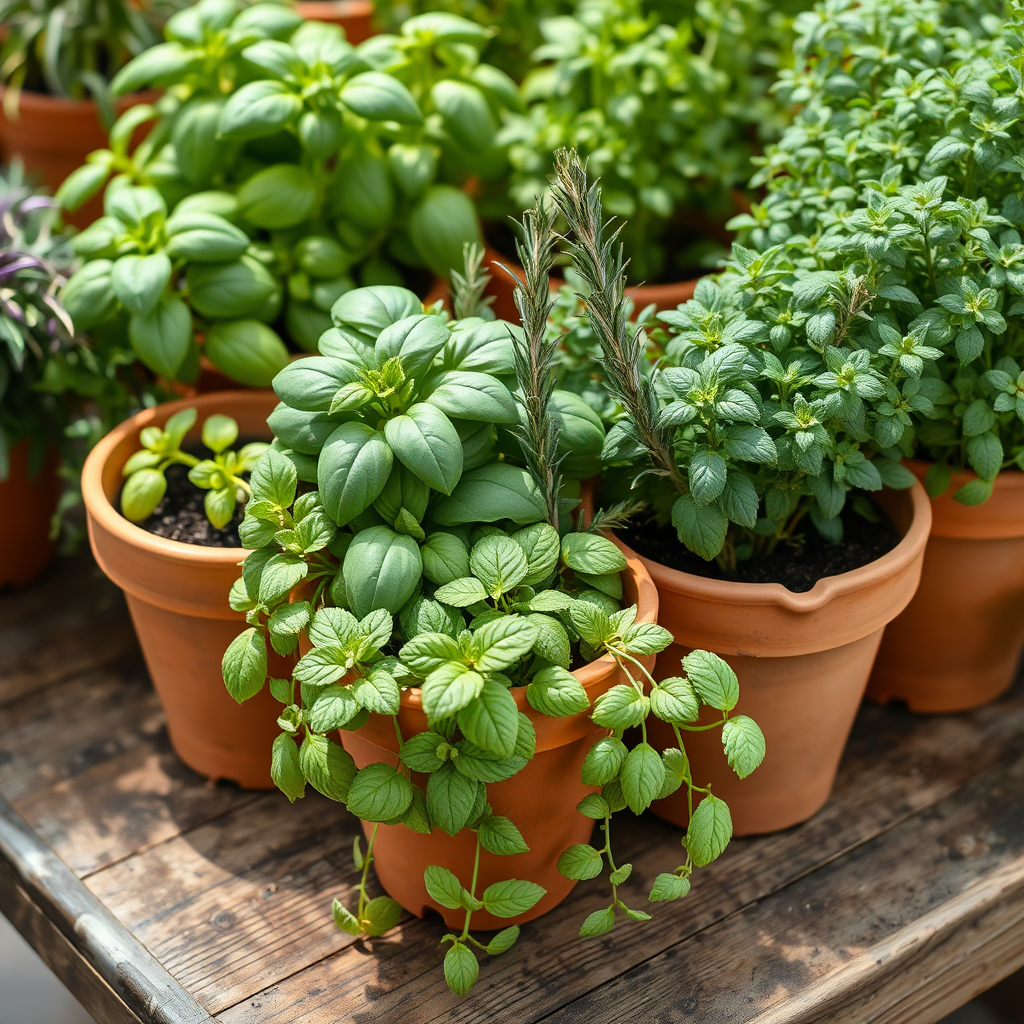
Kitchen Herbs
Start small with basil, rosemary, and mint. Perfect for windowsills or small patio containers.
Learn More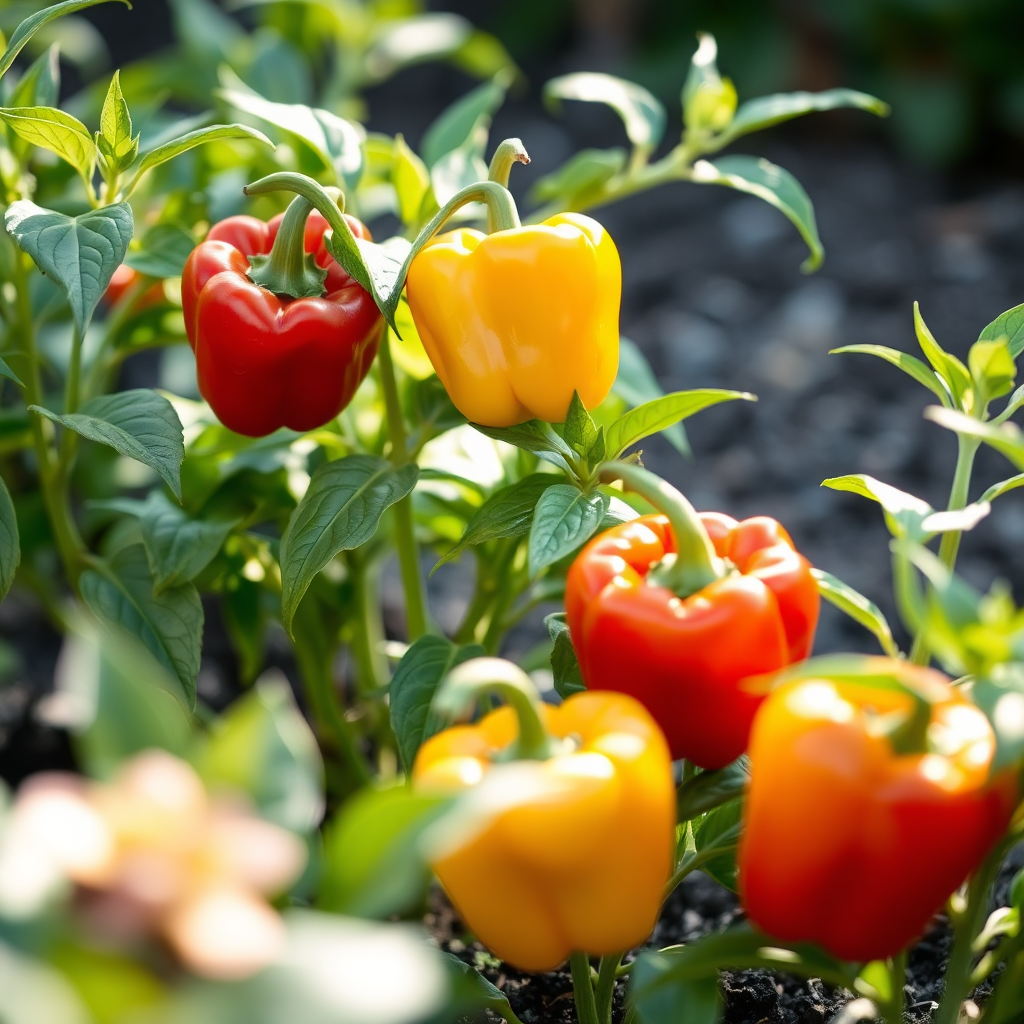
Crisp Peppers
Bell peppers and chilies thrive in warm weather and well-draining soil with consistent watering.
Learn More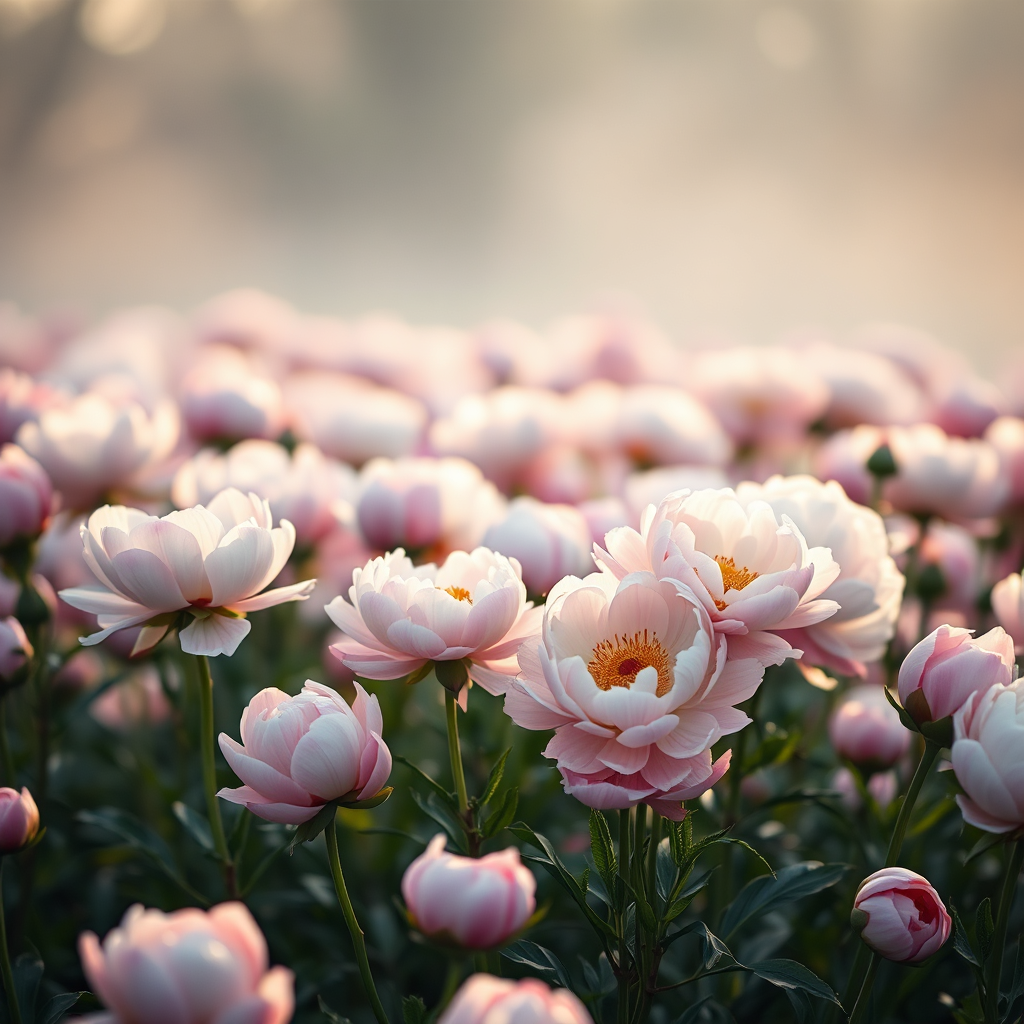
Spring Bloom Cycles
Timing is everything when it comes to a perennial paradise. Learn how to layer bulbs like tulips and daffodils in late autumn to ensure a vibrant explosion of color as soon as the frost breaks.
Soil Prep
Well-draining, loamy soil enriched with organic compost is vital for healthy spring bulbs.
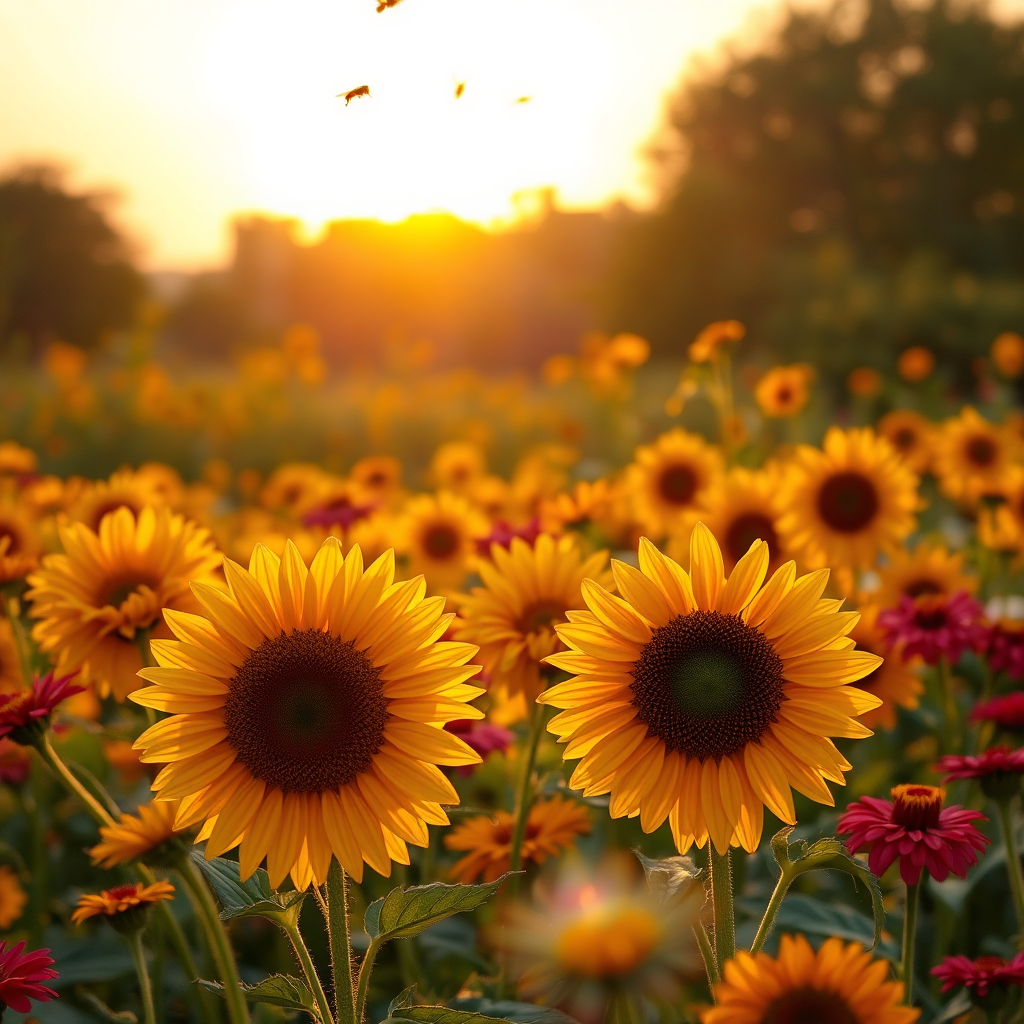
Summer Pollinators
Attracting bees and butterflies isn't just beautiful—it's essential. Plants like Lavender, Zinnias, and Sunflowers provide critical nectar while keeping your garden's ecosystem thriving through the heat.
Light Needs
Most summer bloomers require at least 6-8 hours of direct sunlight to reach full brilliance.
Sanctuary Indoors
Bringing nature into your living space, even with low light.
The Secret Ingredient: Compost
Composting is the ultimate way to recycle nutrients back into your garden. Understanding the balance of Nitrogen (Greens) and Carbon (Browns) is the key to black gold.
The Greens
Nitrogen-rich materials like vegetable scraps, coffee grounds, and fresh grass clippings.
The Browns
Carbon-rich materials like dried leaves, cardboard, straw, and sawdust.
"Aim for a 3:1 ratio of Browns to Greens for the fastest decomposition."
5 Beginner Gardening Tips
Know Your Hardiness Zone
Before buying plants, check your local climate zone. This determines which plants will survive winter and thrive in your summer heat.
Prioritize Soil Health
Don't just dig a hole. Mix in high-quality compost or organic matter to ensure your plants have the nutrients they need to grow strong.
Water at the Root, Not the Leaves
Wet leaves can lead to fungal diseases. Aim your hose or watering can at the base of the plant to keep roots hydrated and foliage dry.
Mulch is Your Best Friend
A layer of wood chips or straw helps retain moisture, suppresses weeds, and regulates soil temperature throughout the seasons.
Observe Your Garden Daily
Spending 5 minutes a day walking through your garden helps you catch pests or diseases early before they become major problems.